FCC / SERVICE ROUTE BRIEF

Our Services

Sea and air freight coordination assessed against cargo, routing, and operating conditions

01 / CARGO INPUT
02 / ROUTE REVIEW
03 / OPERATIONS

OCEAN / FCL-LCL / ROUTE ASSESSMENT

Sea Freight (FCL/LCL)

We assess practical FCL or LCL transport options based on cargo volume, routing, schedule, and loading requirements. Final arrangements and terms are subject to confirmed cargo details and carrier information.

Key Features:

  • Transport options assessed by routing and carrier availability
  • Schedule guidance based on actual vessel schedules and space
  • Quoted items and cost terms explained before confirmation
  • Cargo-status support and insurance consultation, subject to case conditions
SCOPE / 01View operational scope
Cargo and routing inputOrigin, destination, pieces, dimensions, weight, cargo-ready date, and loading requirements support an initial review.
Mode assessmentFCL/LCL, container type, and comparable routing directions can be reviewed against cargo volume and operating needs.
Schedule coordinationVessel schedules, available space, cut-off, and related operating milestones are checked against available carrier information.
Confirmation pointsQuoted items, document needs, and final arrangements remain subject to the confirmed cargo and carrier conditions.
Request Sea Freight Quote
Container terminal and vessel operations for FCL and LCL ocean freight
Air Freight

AIR / TIME-SENSITIVE / HANDLING PLAN

Air Freight

For time-sensitive cargo, we assess feasible air-freight arrangements according to routing, flight availability, transshipment, and ground-handling conditions. Actual transit timing is subject to carrier confirmation.

Key Features:

  • Transit timing assessed by routing, flight availability, and handling requirements
  • Destination options assessed by routing and partner availability
  • Flexible weight and size options
  • Cargo-status support based on available carrier information
SCOPE / 02View operational scope
Shipment inputCommodity, pieces, dimensions, gross weight, packing, and cargo-ready time help frame an initial assessment.
Flight and route reviewFeasible directions are reviewed against flight, transshipment, space, and destination ground-handling conditions.
Delivery and documentsWe can clarify cargo-delivery timing, basic documents, and information that may be requested by a carrier.
Actual timingDeparture, transfer, arrival, and handover timing remain subject to carrier and ground-handling confirmation.
Request Air Freight Quote

SPECIAL EQUIPMENT / SOC / CARGO FIT

Special Containers & SOC

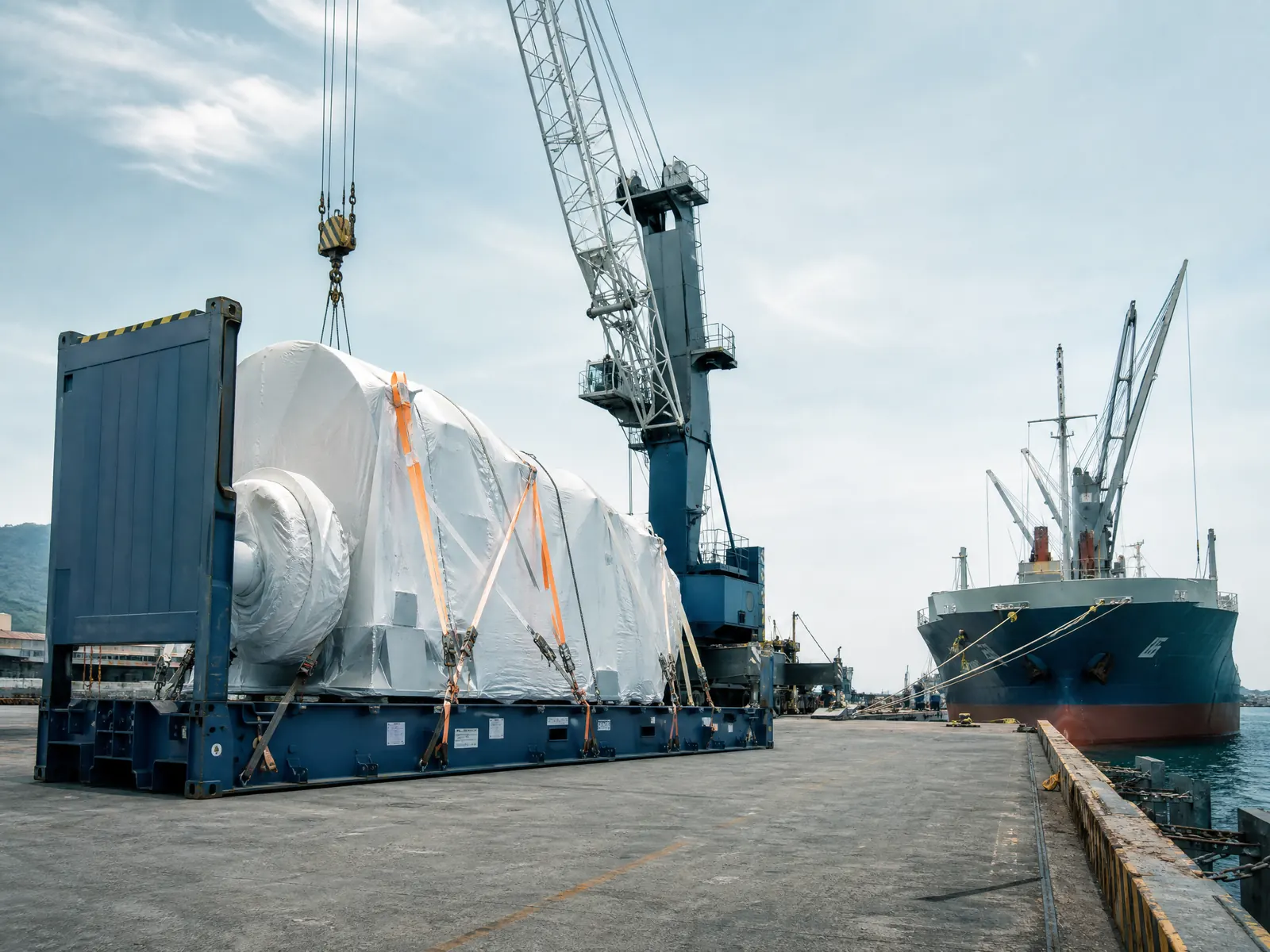
For oversized, overweight, or specialized cargo, we assess suitable special-container or SOC arrangements based on dimensions, weight, packing, routing, and operating conditions.

Container Types We Support:

  • Open Top Containers
  • Flat Rack Containers
  • Reefer Containers (Temperature Controlled)
  • Shipper Owned Containers (SOC)
  • Hazmat Containers
SCOPE / 03View operational scope
Specification inputDimensions, weight, centre of gravity, packing, lifting points, and handling requirements inform equipment assessment.
Equipment fitOpen top, flat rack, reefer, SOC, or other potentially suitable equipment can be assessed against the cargo profile.
Operating conditionsInformation on securing, covering, temperature control, dangerous goods, or terminal operations can be consolidated for review.
Case-by-case confirmationActual equipment, carrier terms, terminal restrictions, and applicable rules require confirmation for each case.
Inquire About Special Containers
Port-crane and secured heavy-cargo operations for special-container and SOC coordination
Cross-border documentation, route planning, and terminal coordination for triangular trade and project logistics

TRADE FLOW / DOCUMENTS / PROJECT CARGO

Triangular Trade & Project Logistics

We can review operational requirements for triangular trade, Switch B/L, and project logistics, and provide an initial assessment of cargo, documentation, routing, and related conditions.

Our Specialized Services:

  • Triangular trade operations and Switch B/L
  • Large-scale project cargo planning
  • Sea-Air Combination services
  • Customs clearance assistance
  • Warehousing-arrangement coordination
  • Packing-service coordination
  • Bonded-transport coordination
SCOPE / 04View operational scope
Trade-flow reviewBuyer-seller relationships, cargo flow, parties, and target delivery milestones can be clarified at the outset.
Document and Switch B/L reviewDocumentation and Switch B/L considerations are assessed against the trade context, carrier rules, and destination requirements.
Project cargo planningDimensions, weight, packing, timing, and multimodal needs help frame the operational directions to discuss.
Warehousing arrangementTemporary storage, warehouse in/out handling, and target handover timing can be clarified to identify workable arrangements and conditions.
Packing-service coordinationPacking, reinforcement, or third-party packing options can be discussed around the cargo profile, transport mode, handling, and marking needs.
Bonded-transport coordinationFor bonded warehouse, bonded transport, or related movements, cargo, document, and timing information can be prepared for confirmation against customs, authority, and operational conditions.
Compliance checkpointsDocuments, carrier arrangements, customs clearance, and other conditions remain subject to applicable rules and case confirmation.
Discuss Your Project

Service Scope Note

This website introduces services that may be assessed. Actual service scope, freight charges, vessel or flight schedules, space, documents, insurance, customs clearance, and other operating conditions are confirmed case by case according to the cargo, routing, carrier, destination requirements, and applicable rules.

Service FAQ

Questions to Consider Before You Ship

These answers cover common ocean, air, special-container, and triangular-trade questions. Final arrangements are always subject to cargo, routing, and applicable requirements.

01What is the difference between FCL and LCL?
FCL (Full Container Load) reserves an entire container for one shipper and can suit larger volumes, concentrated loading plans, or cargo that benefits from a dedicated container. LCL (Less than Container Load) shares container space with other cargo and can suit smaller shipments. We can help assess the more suitable option based on volume, weight, timing, and destination.
02Which special-container and SOC needs can you assess?
For out-of-gauge, heavy-lift, temperature-sensitive, or special-handling cargo, please share dimensions, weight, packing method, origin and destination, and target dates. We can assess suitable arrangements such as open-top, flat-rack, reefer, and shipper-owned containers (SOC), subject to carrier, port, and cargo conditions.
03What is an SOC container, and when may it be suitable?
SOC stands for Shipper Owned Container: a container provided by the shipper or its appointed party. Suitability depends on how the container is sourced, the route, destination-side handling, and any return requirements. Share the container specification and routing early so that feasibility can be reviewed.
04What is a Switch B/L, and when is it used?
A Switch Bill of Lading can be used in triangular-trade arrangements to amend specified bill-of-lading information where the transaction and applicable requirements allow. Eligibility must be reviewed case by case against the trading relationship, route, documents, carrier rules, and destination requirements. Please share the basic trade flow and freight information for an initial review.
05Can I inquire about out-of-gauge, dangerous, or temperature-controlled cargo?
Yes. These shipments often need early confirmation of dimensions, weight, packaging, MSDS or dangerous-goods information, temperature range, and handling requirements. Providing complete details early helps with evaluating equipment, space, documentation, and operations.
06Can I also ask about documents, customs, clearance, and insurance?
Yes. Required documents and processes differ by country, cargo, and trade terms. Include these needs with your inquiry, and we will explain the service scope that can be arranged and the information needed for the next step.